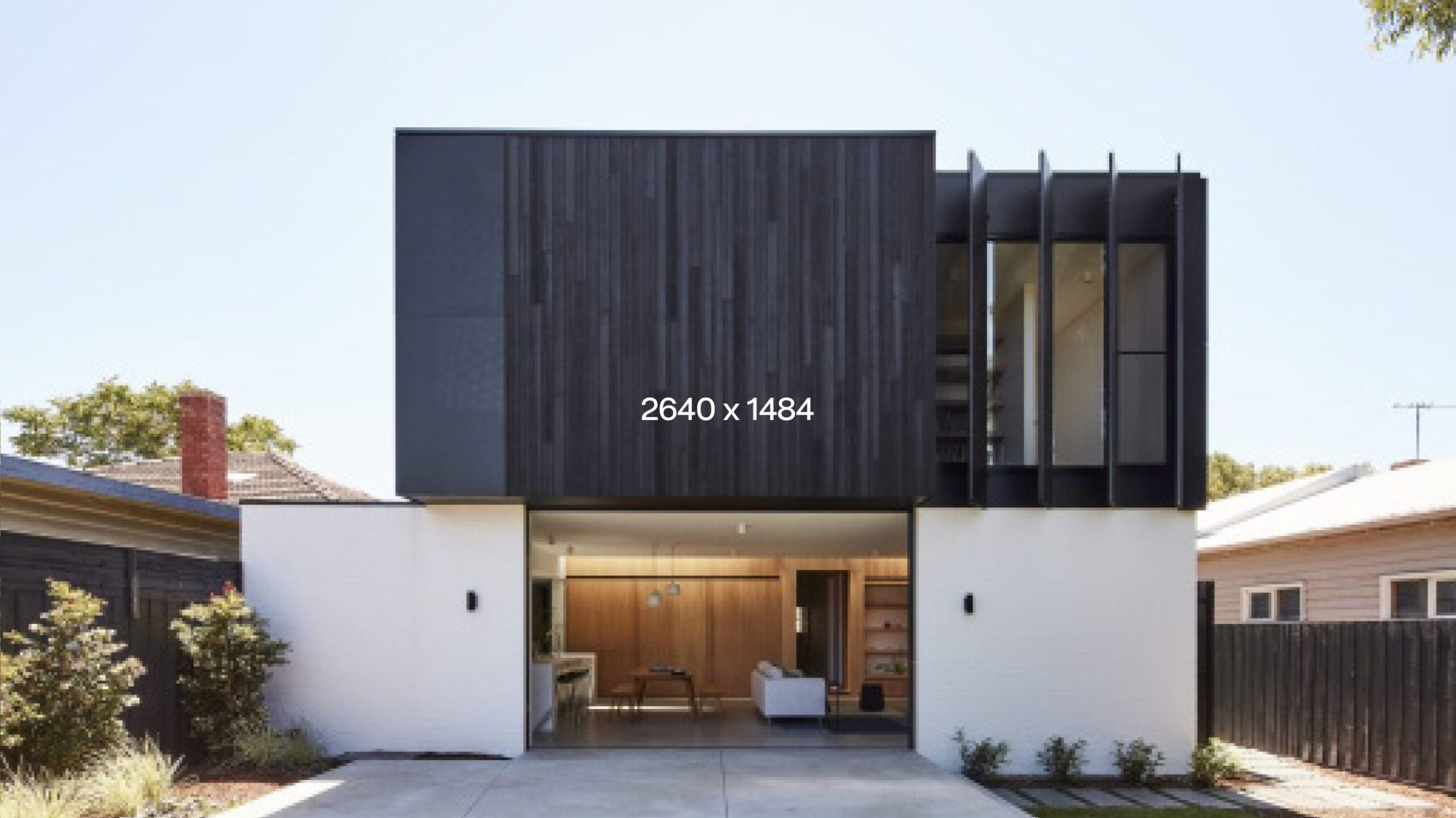
There’s something undeniably special about a beach house.
Over the years, we’ve been fortunate to work on a number of coastal holiday homes, both large and small. In that time, we’ve learnt there are a number of ‘beach house fundamentals’ that need to be carefully considered before you go too far down the design path.
Firstly, a beach house needs to be robust. Coastal environments are harsh and the choices you make up-front – particularly in regard to low maintenance materials – will pay dividends in the future.
Secondly, beach houses are invariably social houses. You go there to spend time together, so you need to give due consideration to how many people will be using it and how the spaces bring them together.
Thirdly, it needs to be fit-for-purpose. We’re big fans of outdoor showers and ample storage for surfboards and beach chairs.
And finally, the best beach homes sit comfortably in their landscape and integrate existing flora.
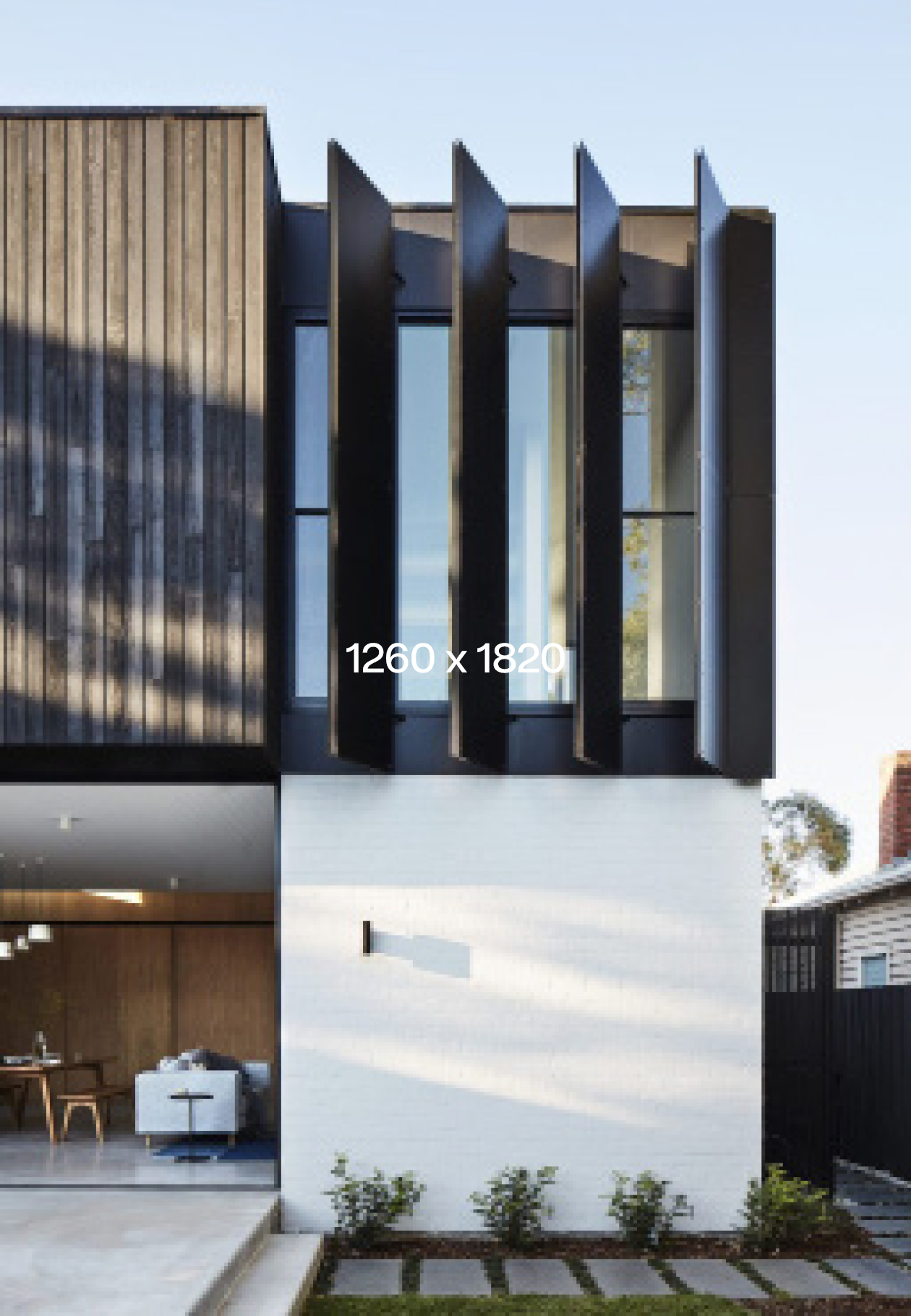
Sorrento House
Your beach house checklist:
Here’s some simple questions that will help prepare you for our first predesign meeting.
1. How big?
The questions below will help you arrive at an answer to this one, but bear in mind bigger isn’t necessarily better. You’ll be surprised at what you can achieve within four walls.
2. Who is it for?
Is it exclusively for your immediate family and friends, or do you plan to rent it out on AirBnB or similar? If the latter, you need to think about not just the financial and tax implications, but how the design provides both for the needs of renters and your family when they want to use it.
3. How many adults and kids do you need to accommodate?
This will influence how many bedrooms you need and how you configure them. Eliminating ensuites and creating bunk rooms can be great ways to save space. The upshot is that bedrooms need not be huge, nor do they need to monopolise the views. Hopefully you are spending more time at the beach than in a bedroom. Additionally, does the home need to be designed to accommodate groups at separate times. Portions of the home can be designed to be ‘closed off’ when not being used by larger groups. This can save on energy use and improve security, particularly when renting the property out. (Think about placing them towards the shadier parts of the house or away from the more interesting views.)
4. How often will you use it?
Will it be every other weekend? Or only a couple of weeks during the summer? This will influence the quality and scope of your fit-out.
5. What is the site orientation and prevailing wind conditions?
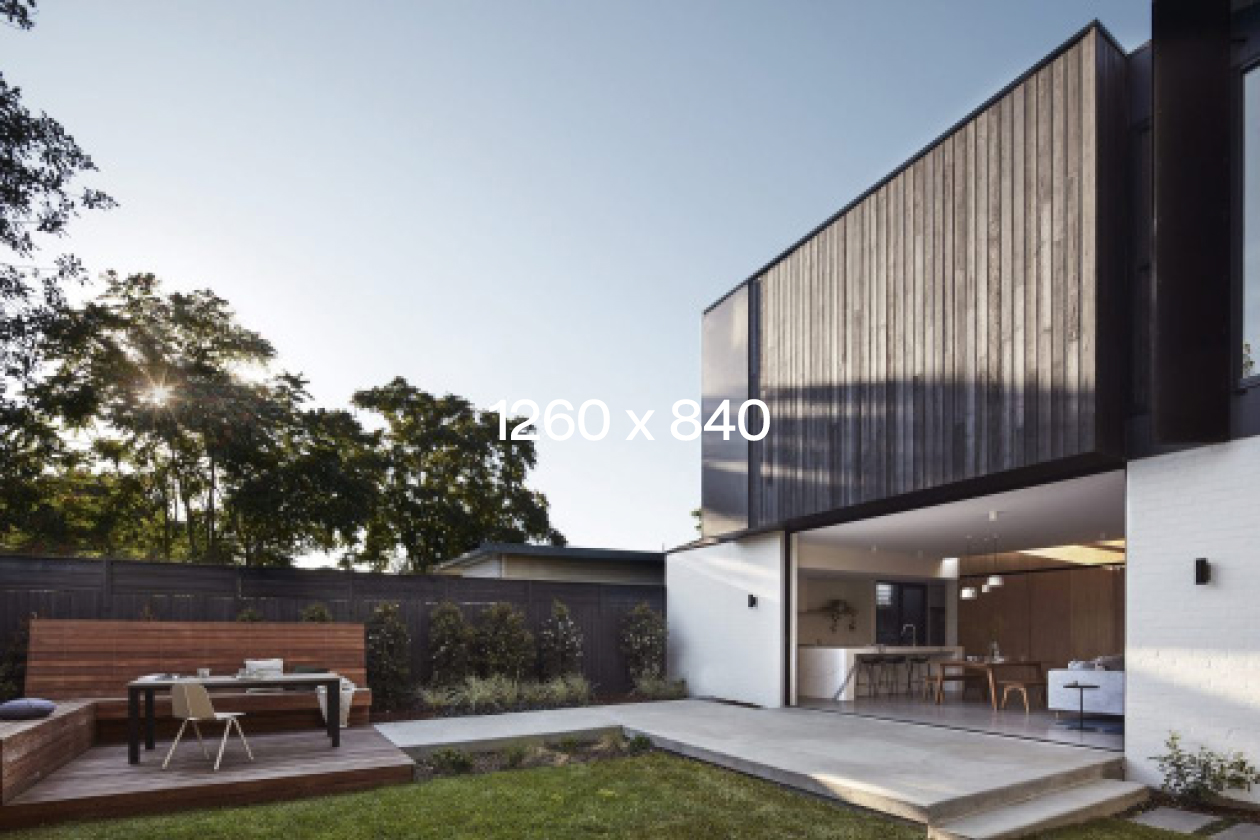
If the site is raised and exposed to southerly winds, think about situating outdoor entertaining areas on the northern side of the building. (This is what we did on our Sorrento project. The L-shaped design provides for a sheltered deck and pool area away from the prevailing winds.) Orientation will also influence the internal layout. Living areas should be positioned so they have northern light and good solar access.
Sorrento House
Project Name or caption