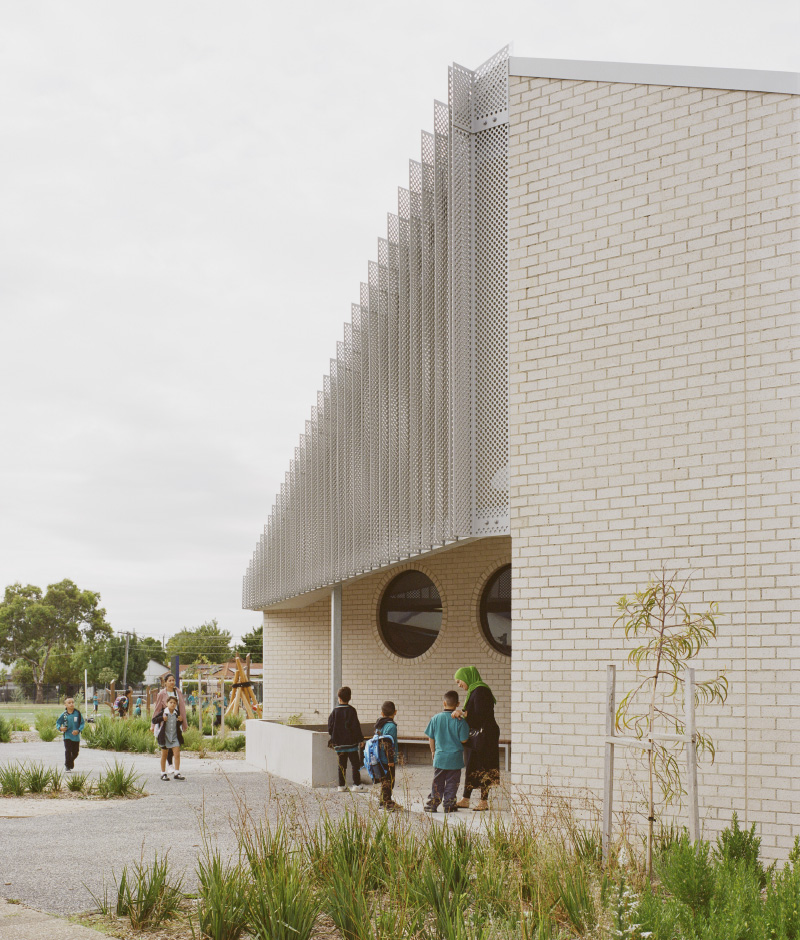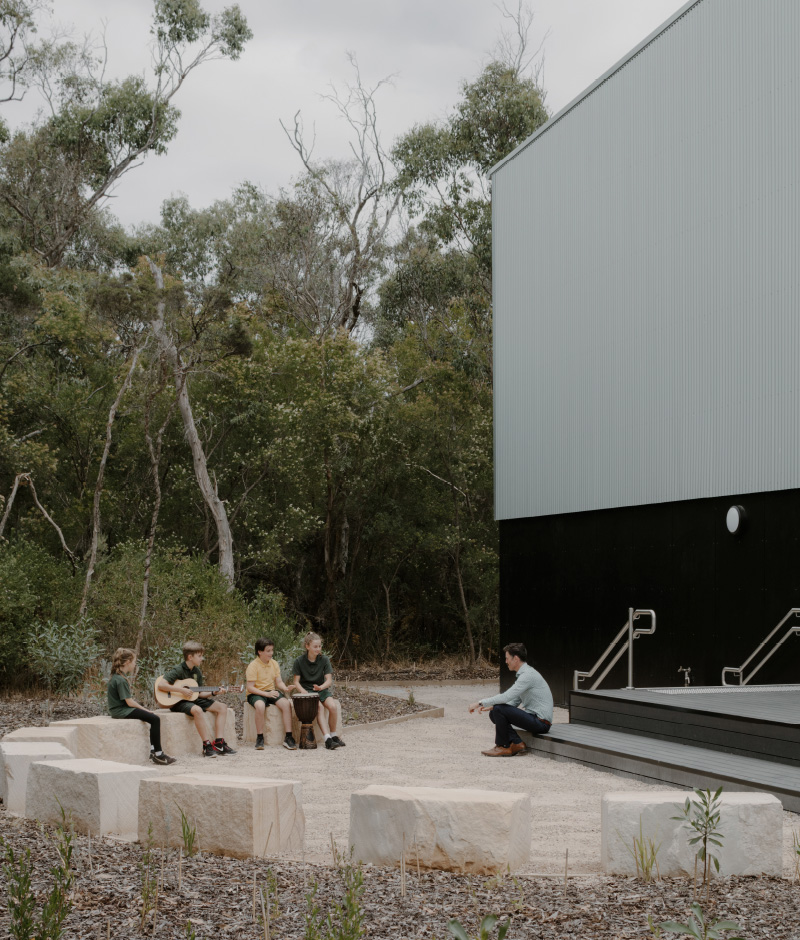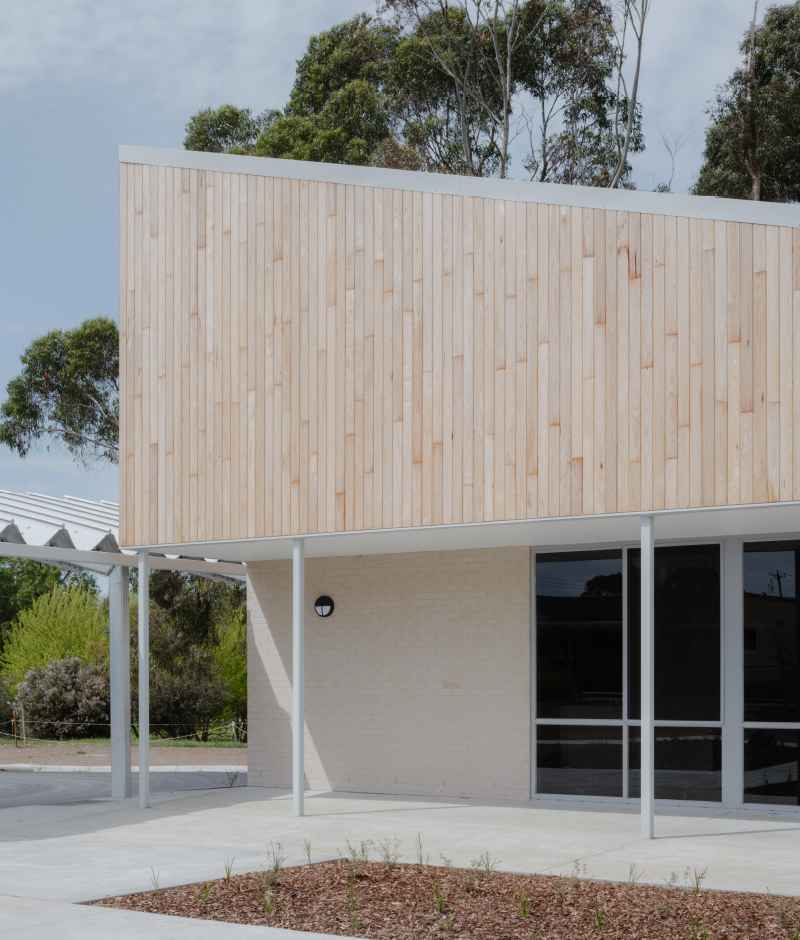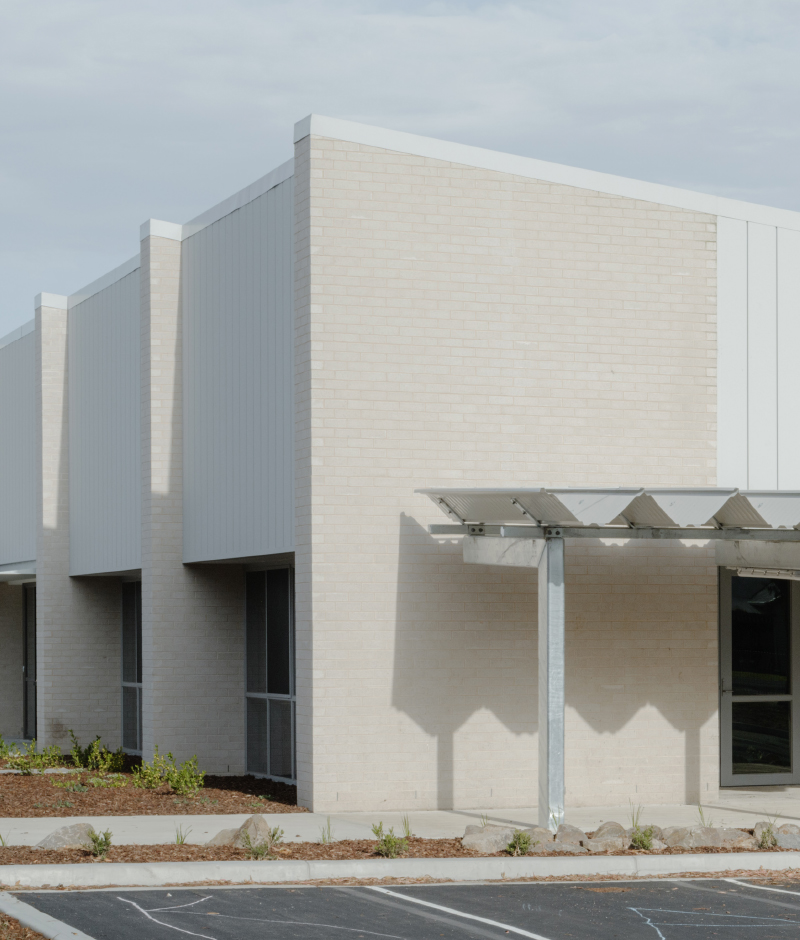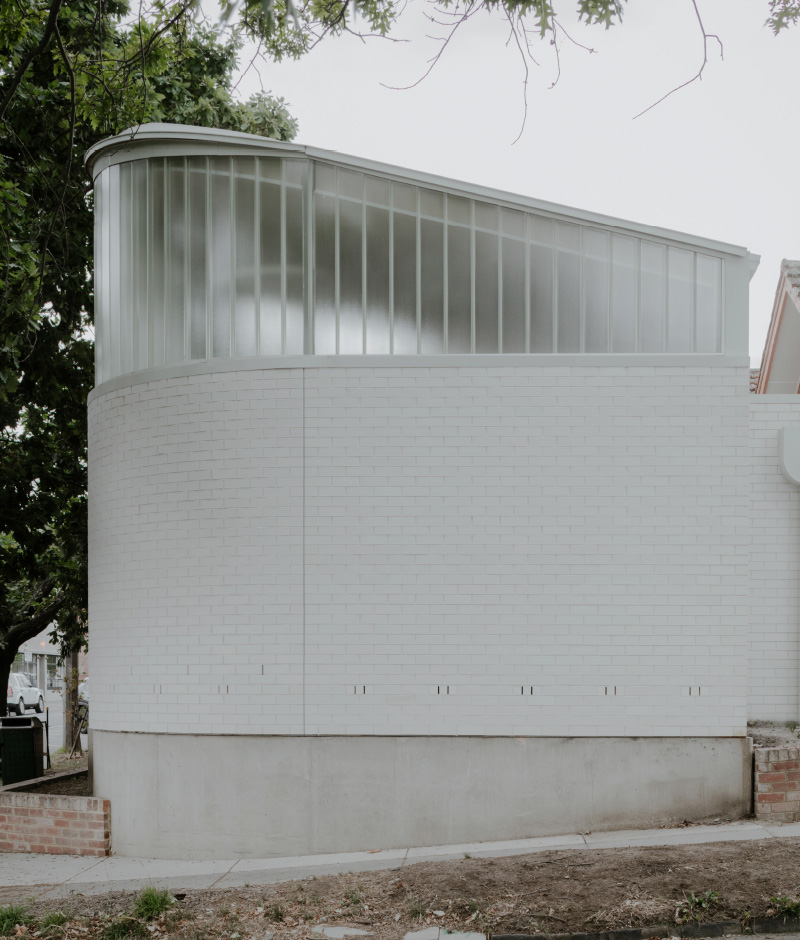
The project involves a new senior learning hub for Peninsula Specialist College, a P-12 Specialist and SDS school located in Dromana, Victoria. Designed to support students with diverse and complex needs, the project uses architecture to promote independence, dignity and inclusion.
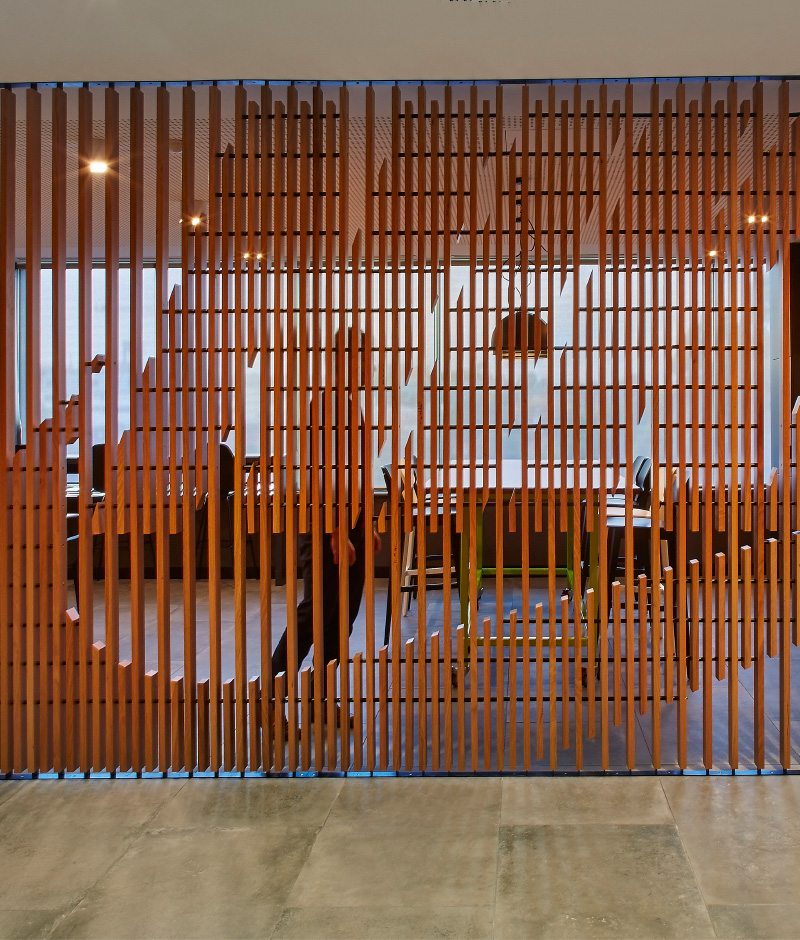
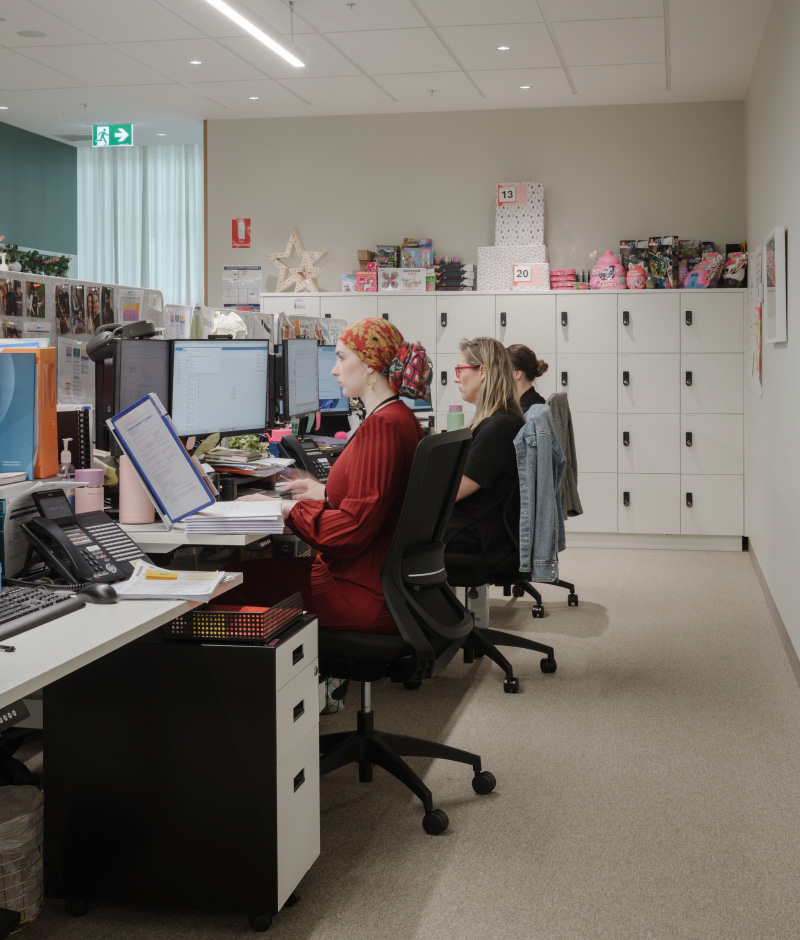
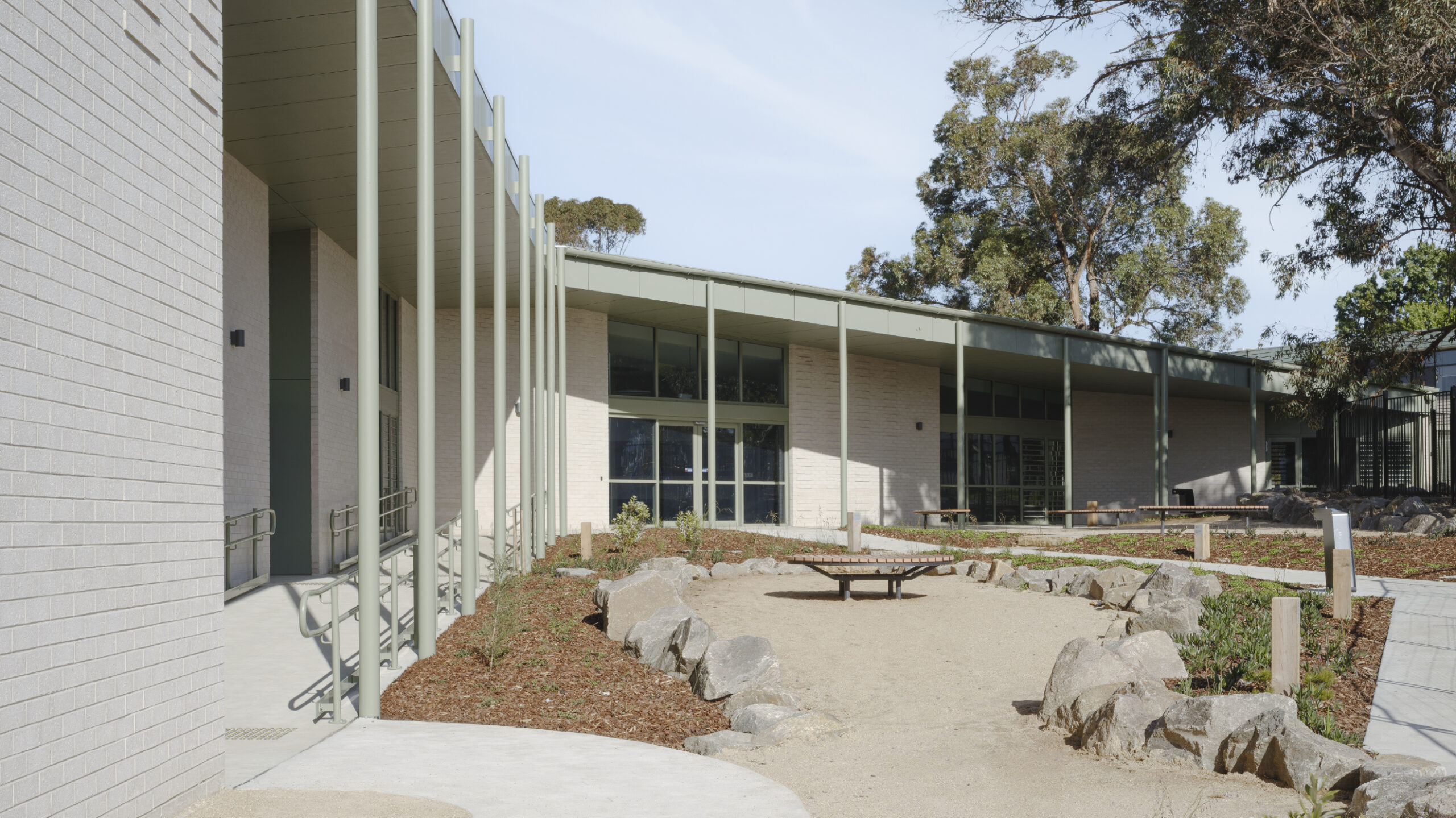
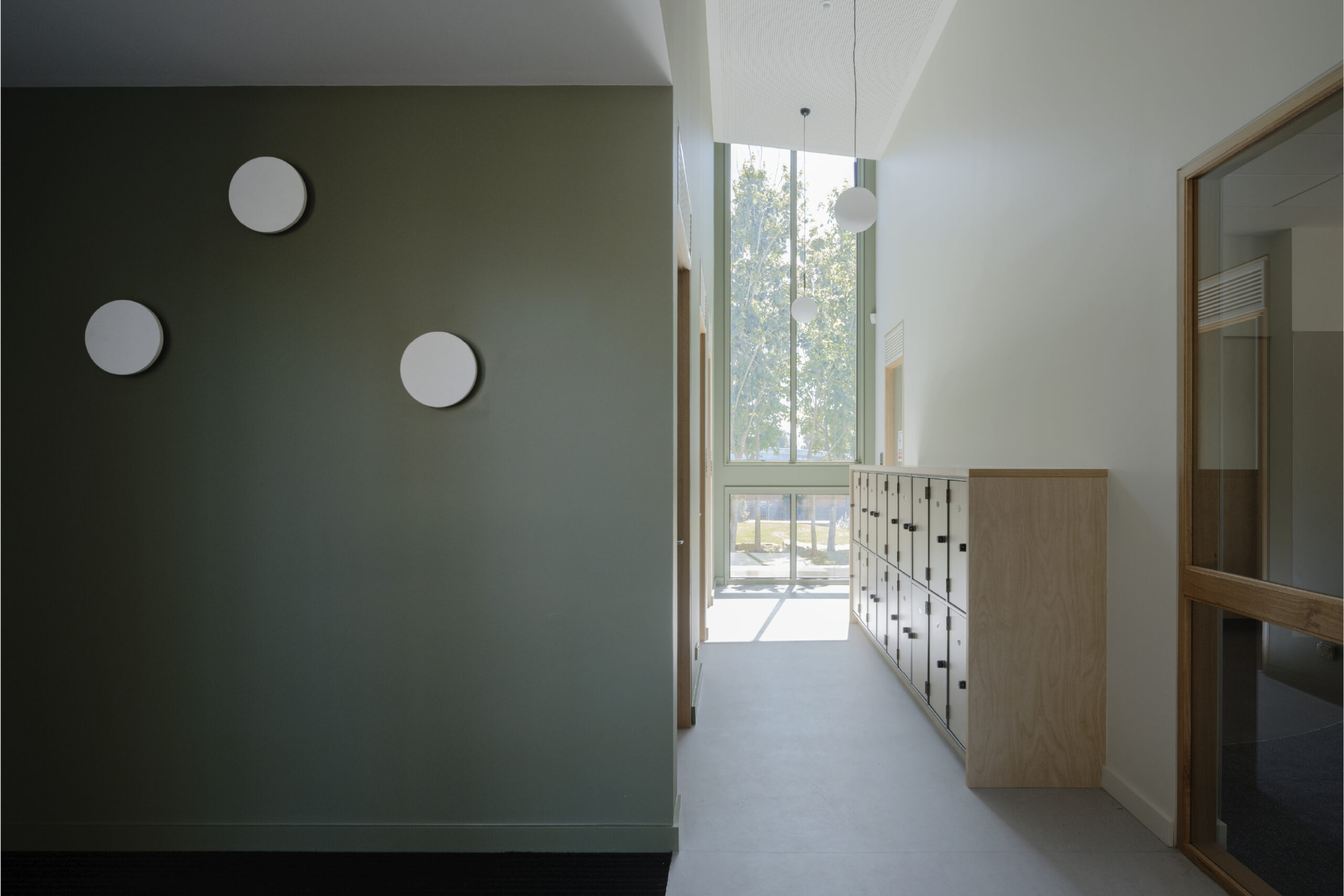
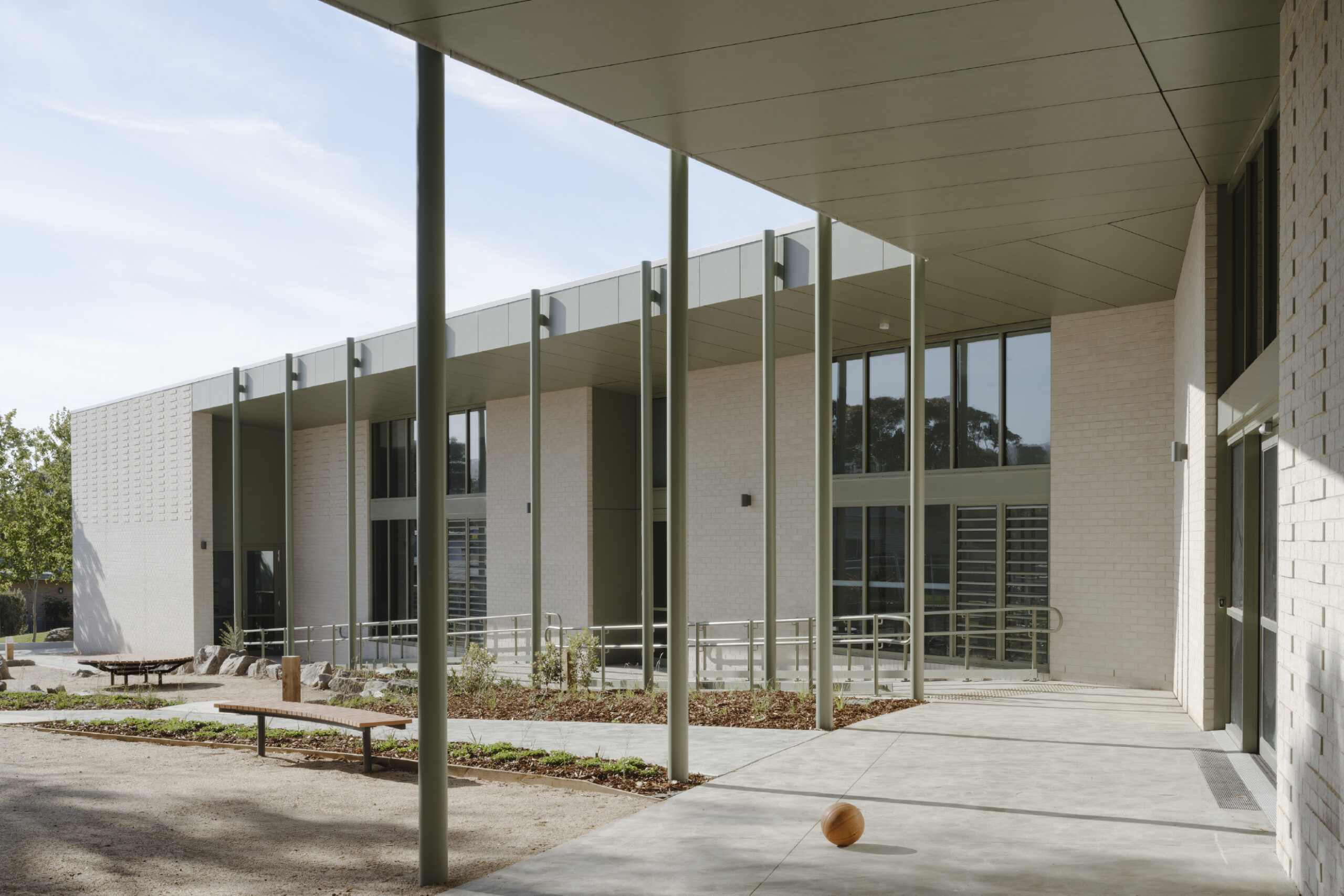
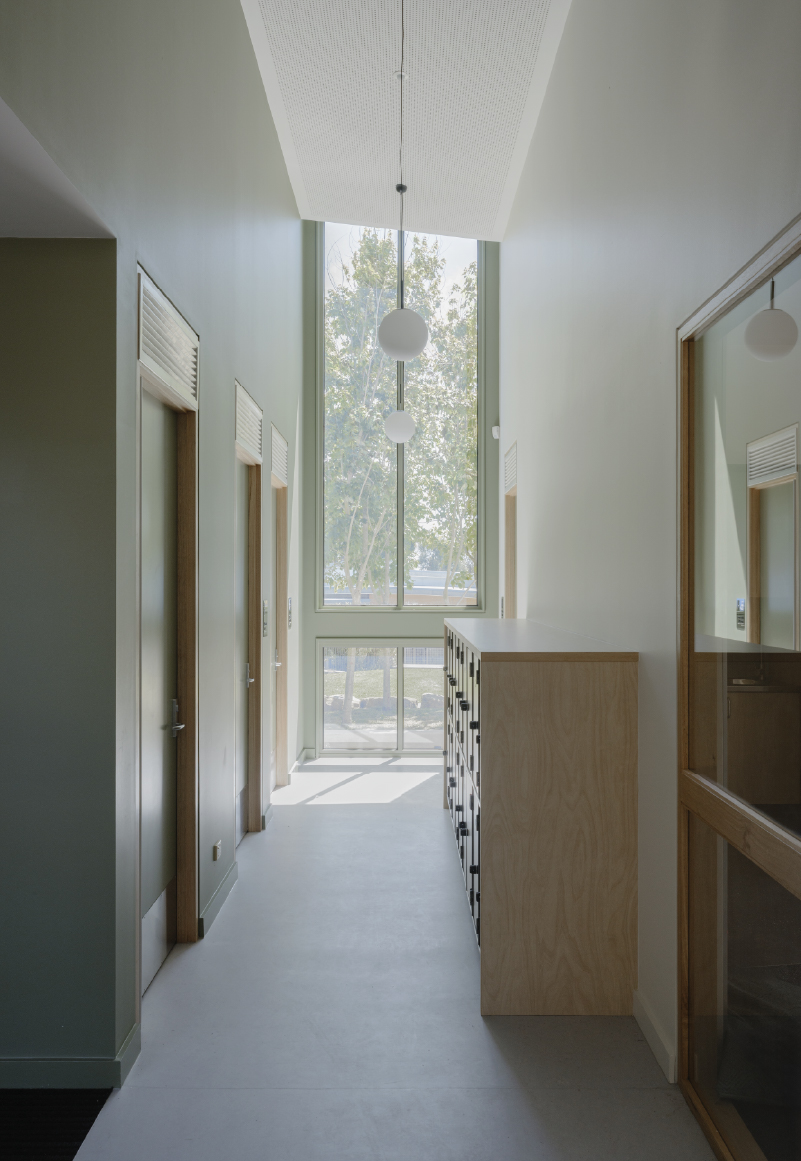
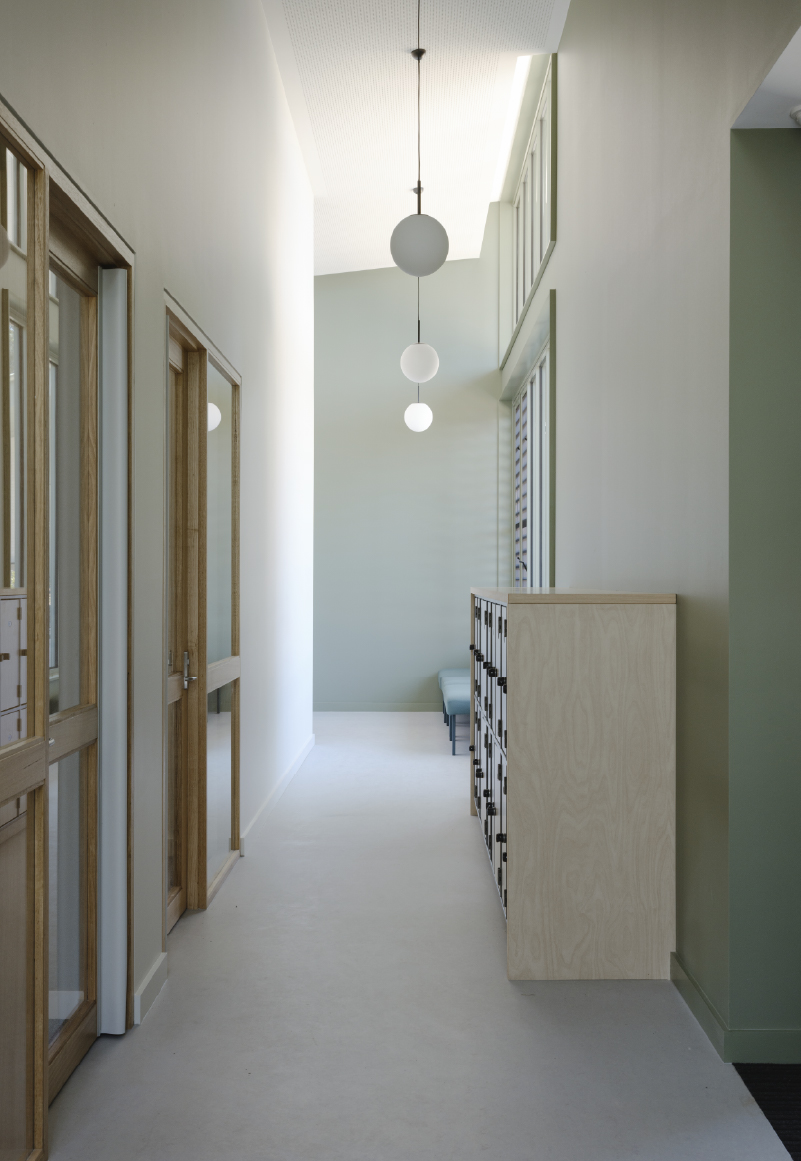
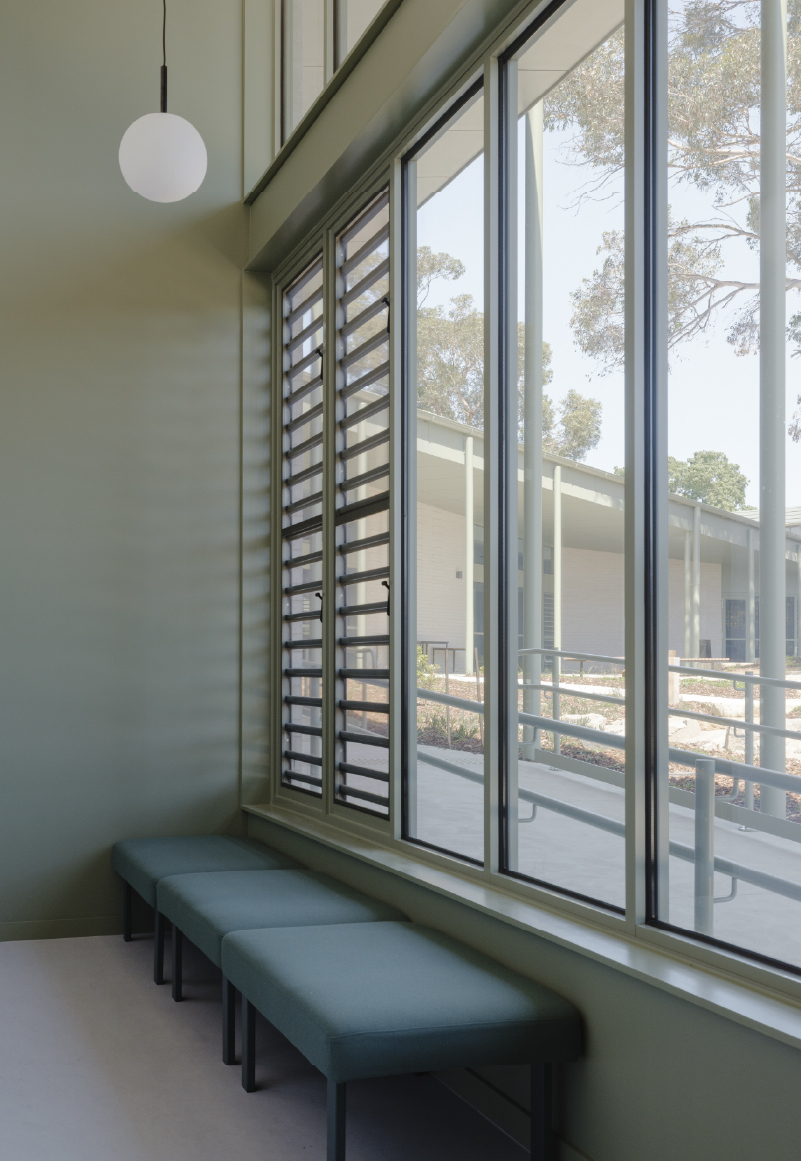
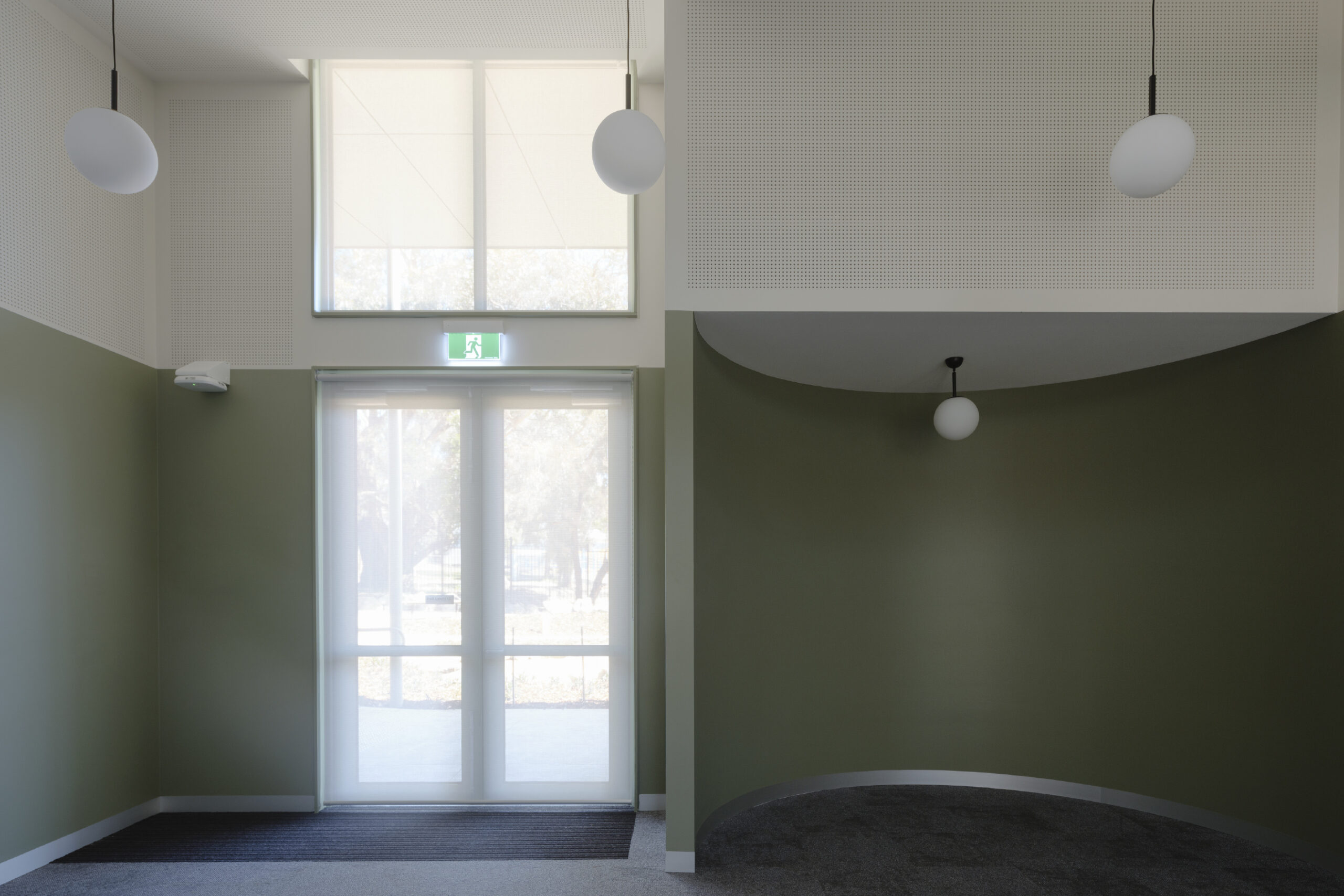
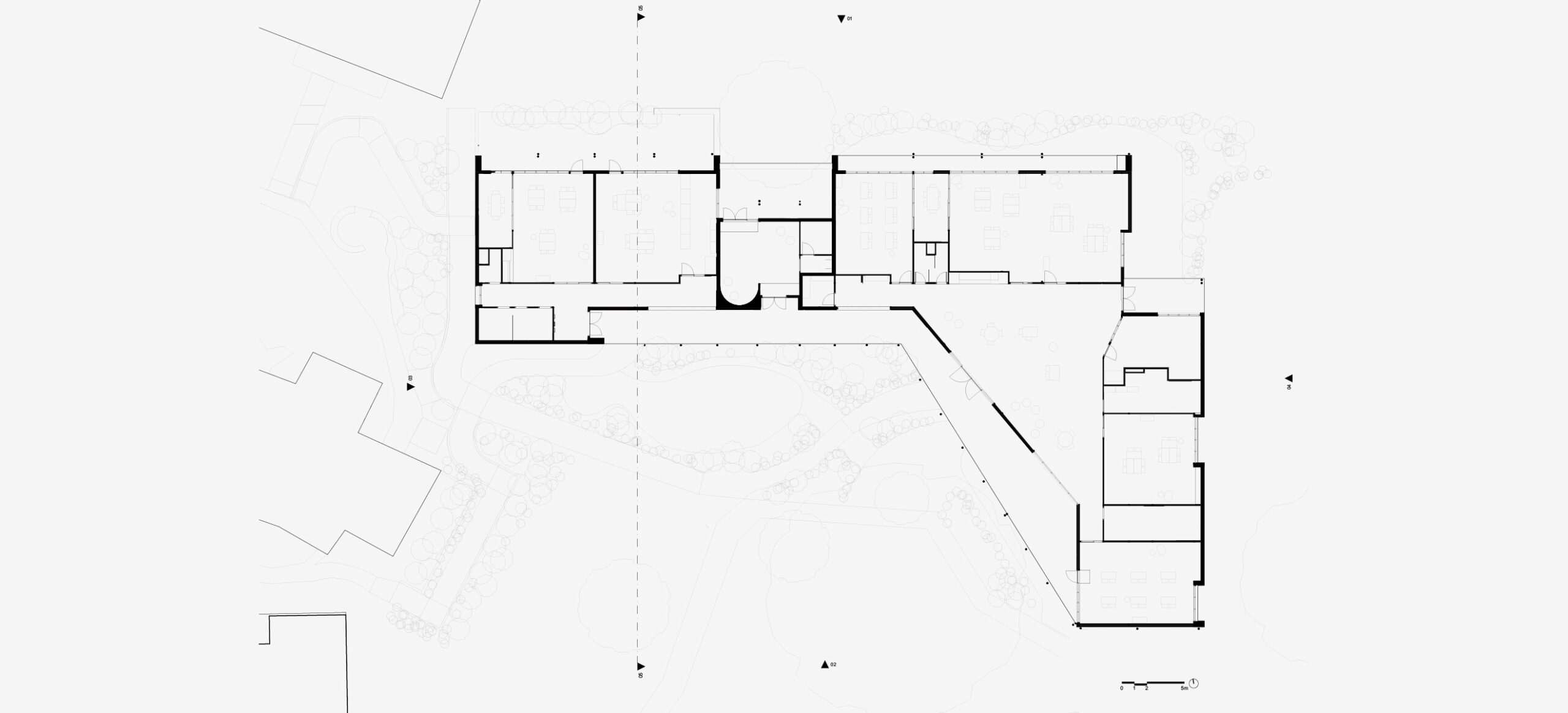
The building provides a range of flexible learning environments that support varied teaching modes, self-regulation and collaboration, while maintaining clear visual connections for discreet supervision. Stepped across a sloping site and carefully responding to bushfire and environmental constraints, the building maintains strong connections to landscape and outdoor learning spaces.
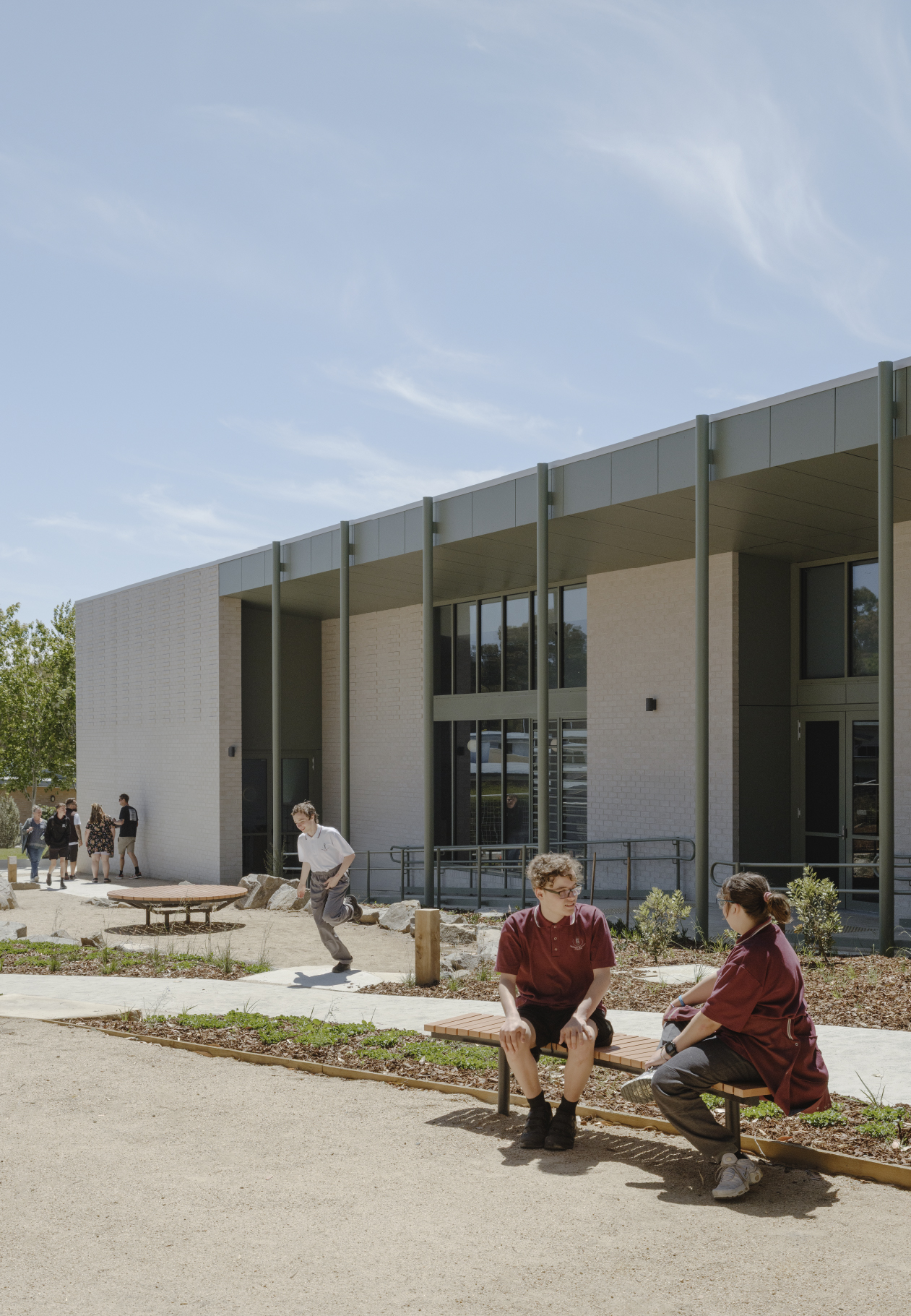
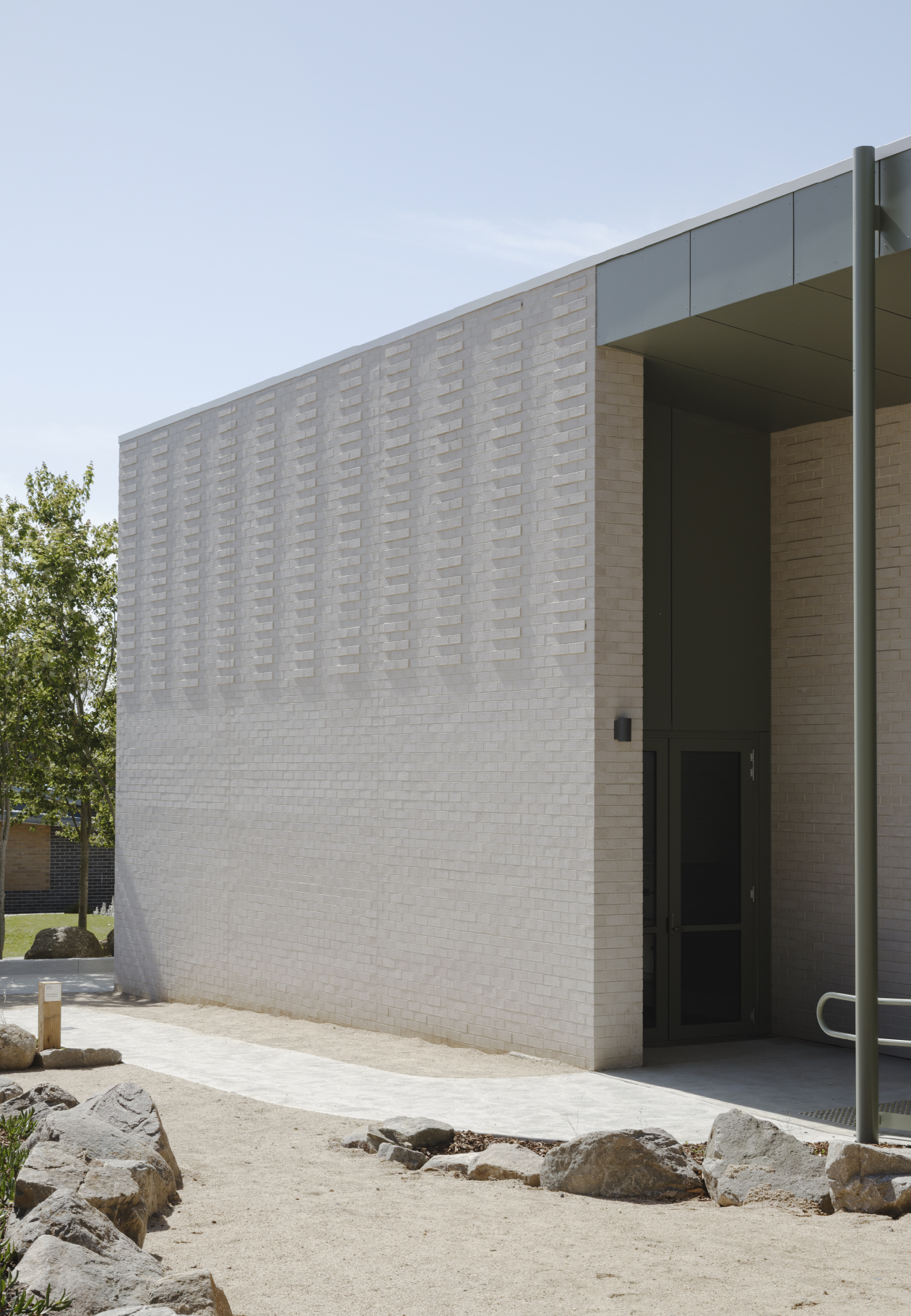
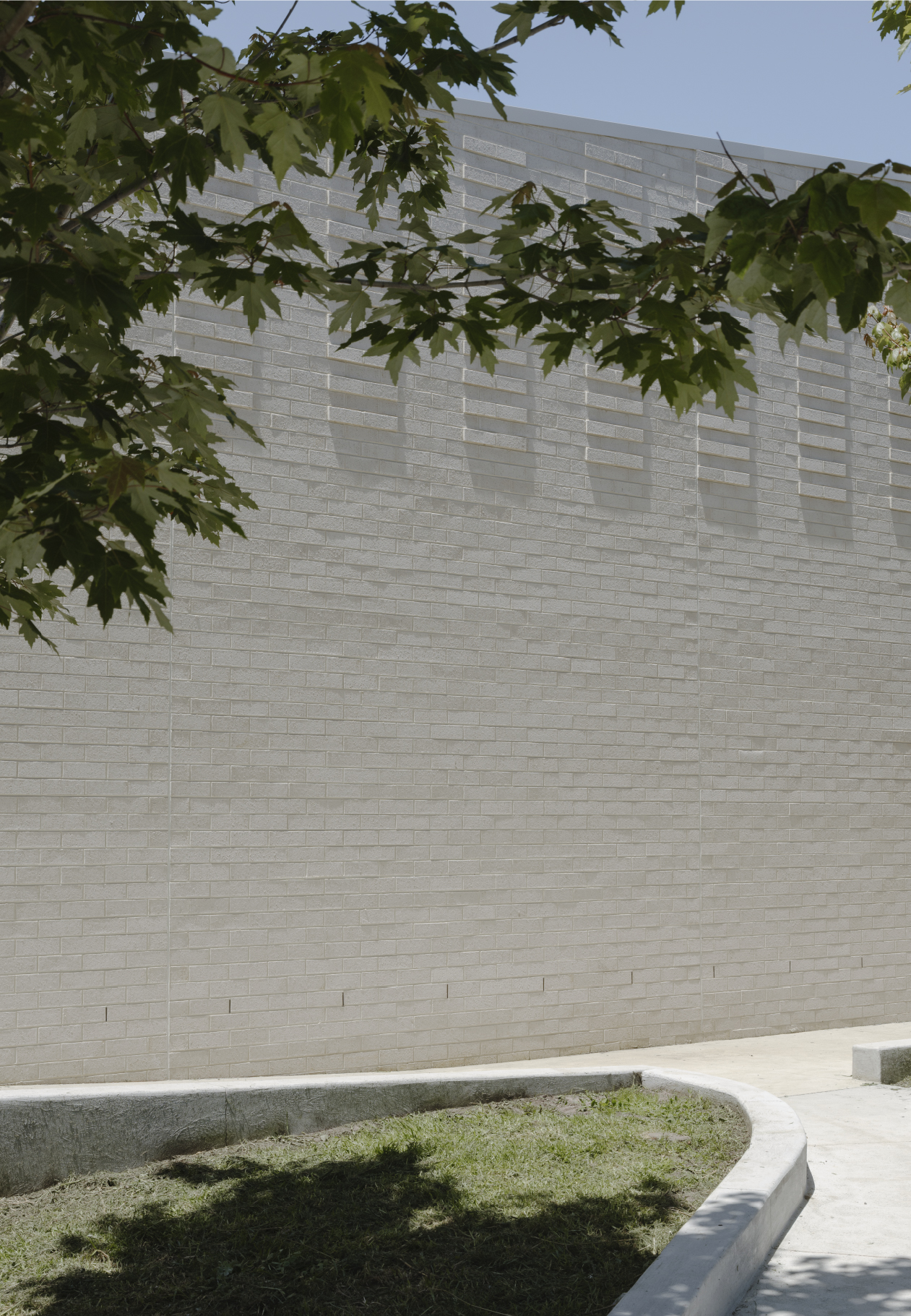
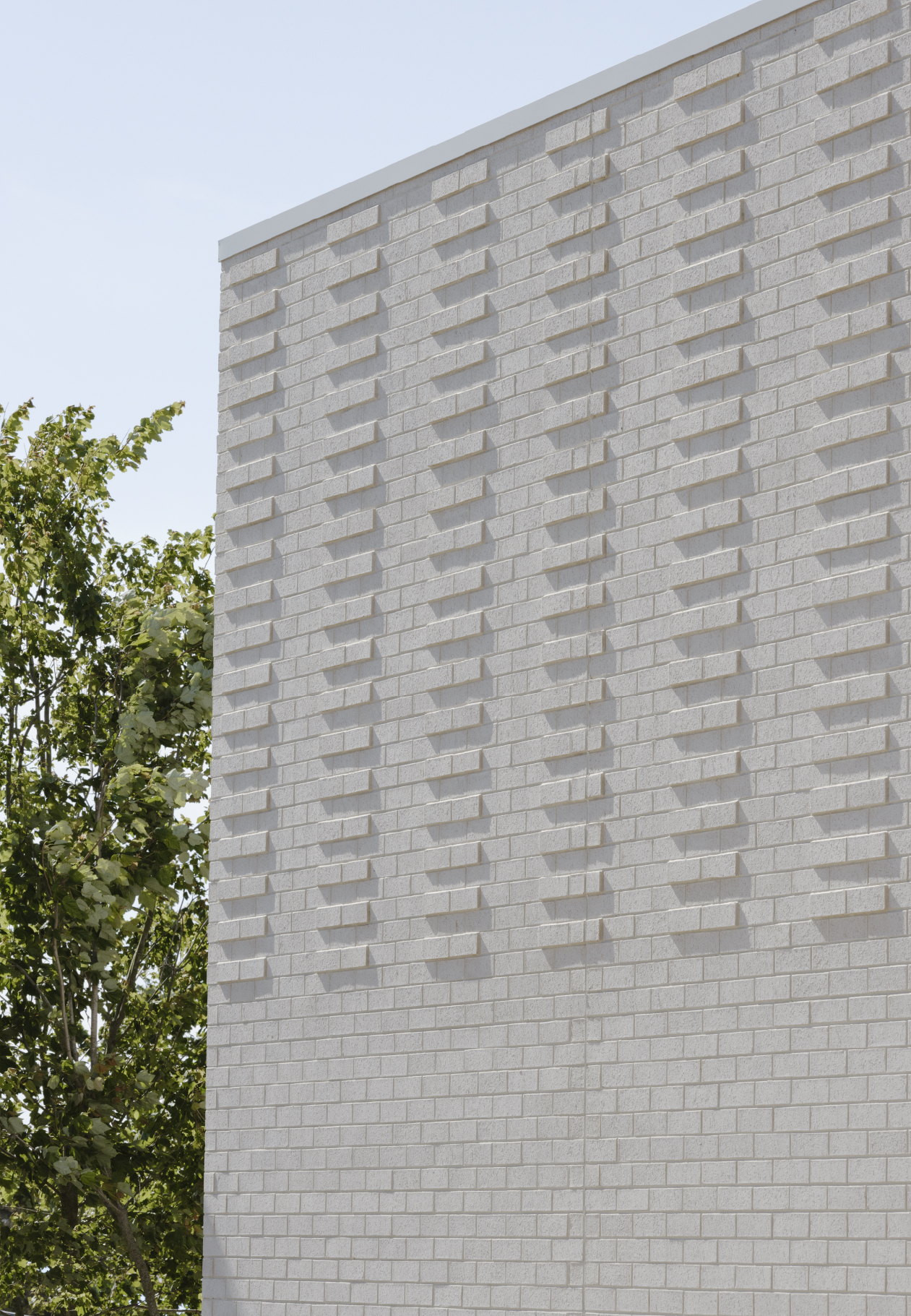
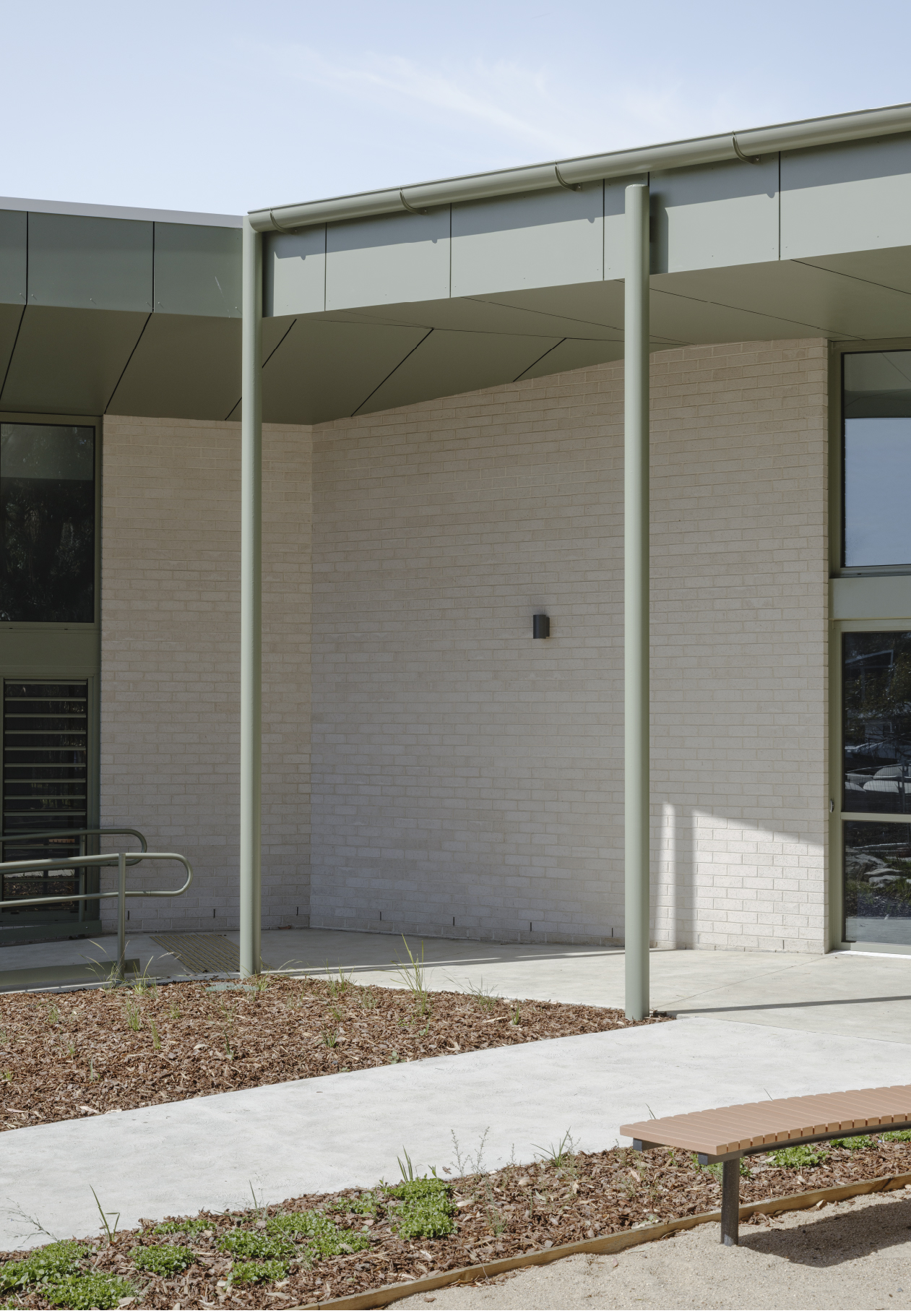
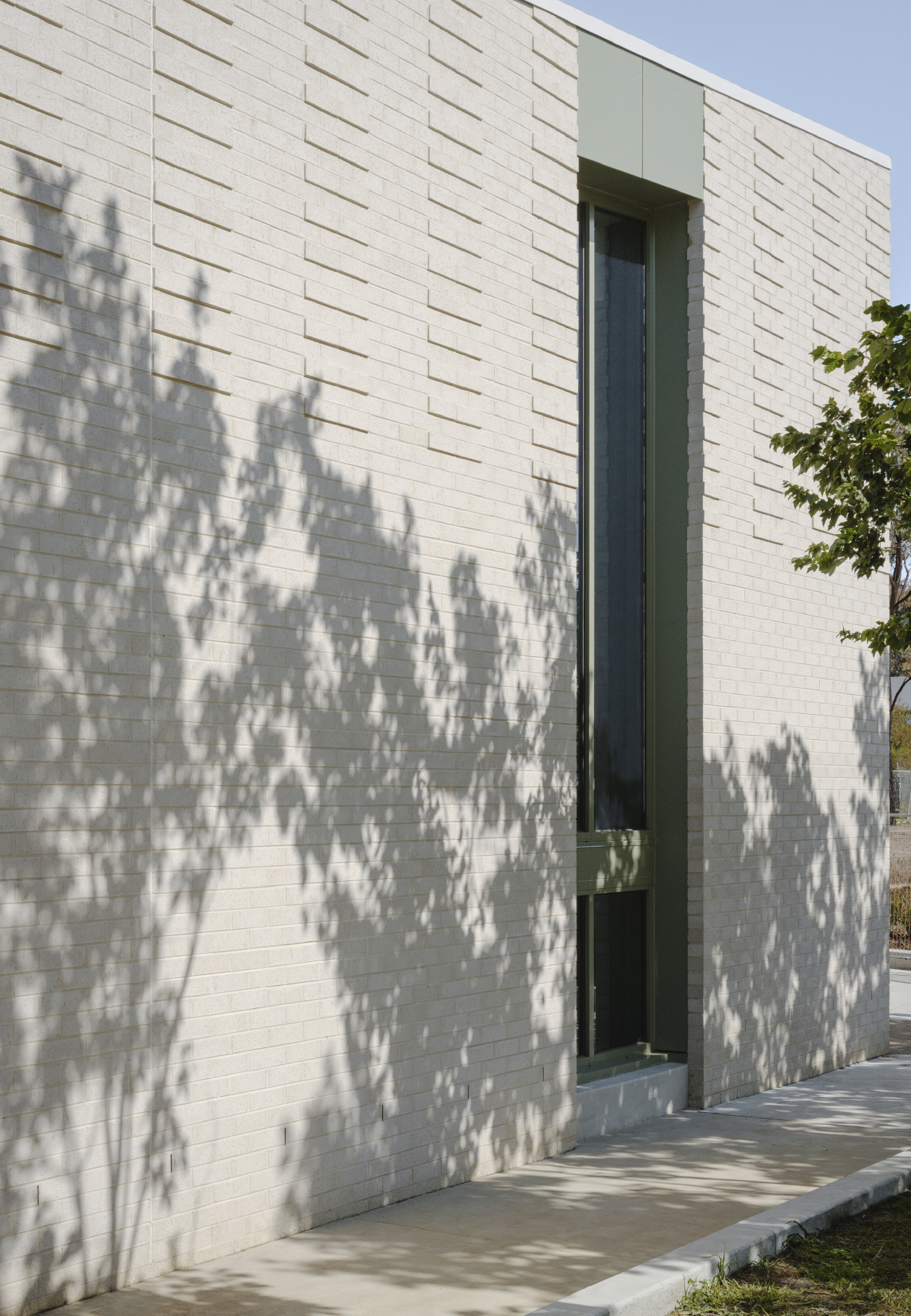
A simple gabled form, warm brickwork and shaded verandahs create a calm, non-institutional presence. Passive design principles including orientation, daylight, cross ventilation, double-glazing and rooftop solar panels support long term environmental performance and operational efficiency.
The project demonstrates how thoughtful design can deliver meaningful and sustainable learning environments within the constraints of public specialist education.
| Type | Educational |
|---|---|
| Location | Dromana, Victoria |
| Country | Bunurong |
| Building Area | 870 sqm |
| Completion | 2025 |
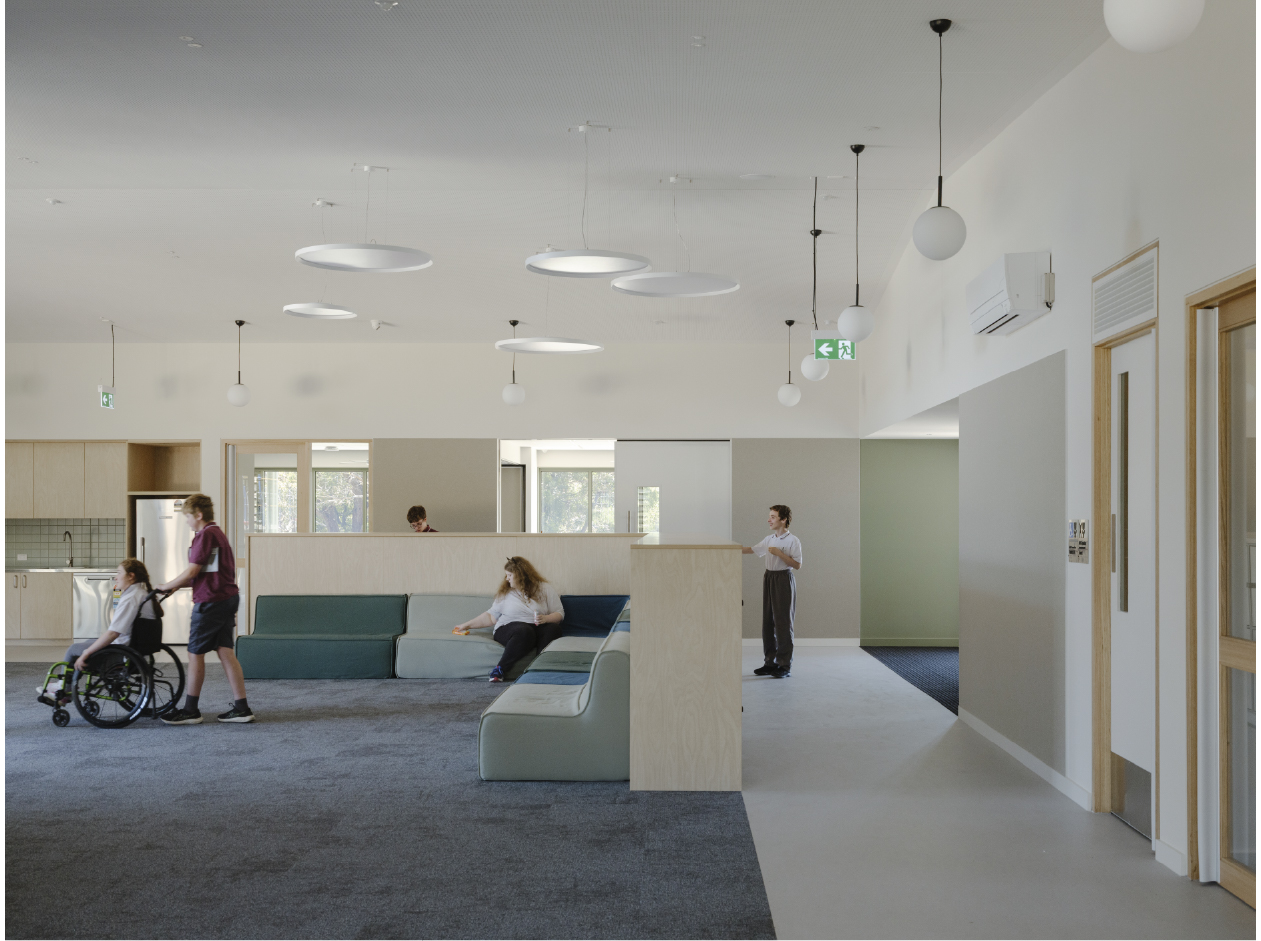
The building affirms that students with disabilities deserve beautiful, future-focused learning environments, spaces that empower them, support our staff, and strengthen our whole school community.
Andrew Harms, Assistant Principal
Ground Floor Plan
01 North Elevation

02 South Elevation

03 West Elevation

04 Section

The project involves a new senior learning hub for Peninsula Specialist College, a P-12 Specialist and SDS school located in Dromana, Victoria. Designed to support students with diverse and complex needs, the project uses architecture to promote independence, dignity and inclusion.
The building provides a range of flexible learning environments that support varied teaching modes, self-regulation and collaboration, while maintaining clear visual connections for discreet supervision. Stepped across a sloping site and carefully responding to bushfire and environmental constraints, the building maintains strong connections to landscape and outdoor learning spaces.
A simple gabled form, warm brickwork and shaded verandahs create a calm, non-institutional presence. Passive design principles including orientation, daylight, cross ventilation, double-glazing and rooftop solar panels support long term environmental performance and operational efficiency.
The project demonstrates how thoughtful design can deliver meaningful and sustainable learning environments within the constraints of public specialist education.